


The International Executive MBA is designed to solve the most critical challenges faced by leaders like you in a globalised and constantly changing business env
 Blog
Blog
25 de October de 2024
The Future of Human Resources: Challenges and Trends
Sumario:
In this article we will explore the current challenges and trends in the world of Human Resources and how ENAE Business School ‘s Master in People and HR Management can help address them.
This article is based on the masterclass given by Juan Tinoco, Human Resources Director of the Southern Europe Cluster at Hero Spain and Group HRBP Baby Todddler Food & Snacks. You can access this content, and other valuable resources from our teachers, at ENAE Media.
Evolution of the HR function
The HR function has undergone a significant evolution in recent decades. Previously, its focus was more oriented towards administrative and operational tasks, such as handling payroll, contracts, and overseeing compliance with labour regulations. Today, however, the role of the HR department has shifted to a more strategic approach.
Rather than being limited to administrative functions, HR professionals have taken on a more proactive and strategic role within organisations. They are now involved in management decision-making and are expected to provide valuable input into the growth and development of the company.
One of the key areas where the HR function has evolved is in the identification and placement of talent in global organisations. Previously, the recruitment process was limited to the selection and recruitment of personnel to fill vacancies. Today, however, the focus has broadened to include the identification of talent with specific skills that align with the organisation's strategic objectives.

In addition, the HR function is now concerned with the development and retention of talent once it has been hired. It focuses on providing training and professional development programmes to promote employee growth and foster a work environment in which they can reach their full potential.
The effective integration of human resources into the business is crucial to a company's success. To achieve this, it is essential to understand the company's strategy and business model. In doing so, HR can design strategies and policies that are aligned with the organisation's goals and needs.
Key success indicators in HR
HR KPIs are essential tools for measuring and evaluating an organisation's performance in terms of employee engagement, retention and absenteeism, as well as staff competency and performance levels. These indicators provide a comprehensive view of the health and effectiveness of the HR department, enabling companies to identify areas for improvement and take steps to optimise their talent management.
Employee engagement, retention and absenteeism
Employee engagement is crucial to the success of any organisation. A high level of engagement translates into better performance, higher job satisfaction and lower staff turnover. Employee engagement can be measured using job satisfaction surveys, organisational climate assessments and metrics such as retention rate and absenteeism.
Talent retention is another key indicator of success in HR. A high retention rate shows that the company has succeeded in attracting and retaining highly qualified employees, which in turn contributes to the stability and continuity of operations.
Absenteeism, on the other hand, may indicate underlying problems in the work environment or employee satisfaction. A high level of absenteeism can affect the organisation's productivity and efficiency, so it is essential to monitor and manage this indicator closely.

Competence and performance levels
Employee competence and performance are critical factors for the success of any business. Key indicators to assess these aspects include performance appraisals, productivity measures, training and development outcomes, as well as the achievement of goals and objectives.
Measuring and analysing levels of competence and performance allows for the identification of individual and collective strengths and weaknesses, which facilitates decision-making related to task allocation, career development and education. In addition, these indicators allow clear and realistic performance standards to be set, which contributes to the continuous improvement of the organisation as a whole.
Importance of the agile approach in HR
The agile method in Human Resources, inspired by agile software development practices, revolutionises team and project management in companies. It is based on flexibility, collaboration and rapid response to change. Key principles include collaboration, emphasis on individuals, adapting to change, continuous delivery of value and customer focus. Its practical application in HR includes sprints in recruitment, continuous feedback, Scrum in professional development and Kanban for project management. Agile in HR allows for agile adaptation to change, fostering innovation and continuous improvement.

Scrum and Kanban: Agile methodologies applicable in HR.
Scrum
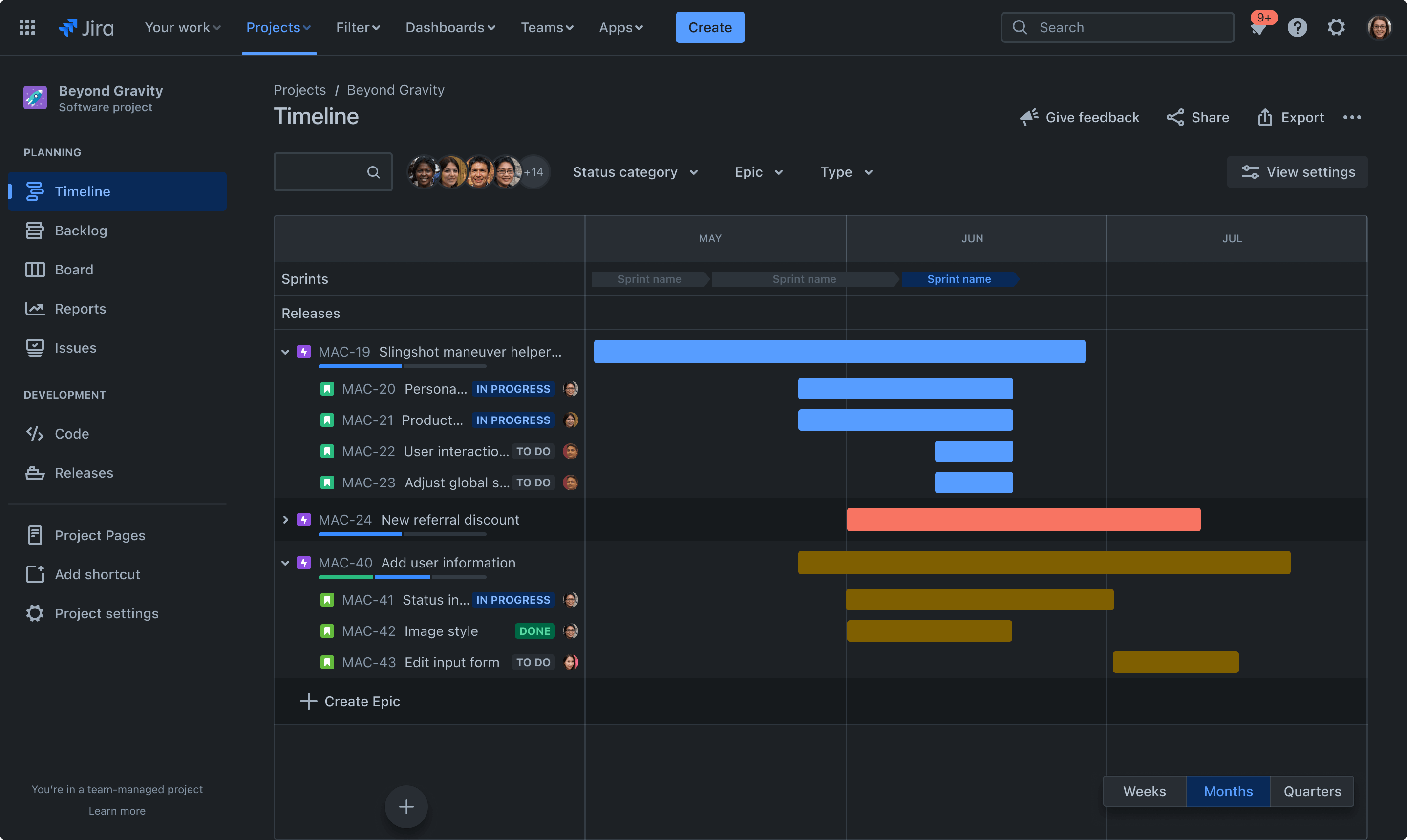
Scrum is an agile framework that focuses on collaboration, adaptability and continuous value delivery. In the HR context, it can be applied to manage the recruitment process. Each sprint could be dedicated to specific phases, such as CV review, interviewing and candidate assessment. HR teams can quickly adapt to changes and continuously improve their recruitment practices.
For Scrum, some common tools include Trello that facilitate sprint planning and tracking, as well as task and team management.
Kanban
Kanban, on the other hand, focuses on visualisation and workflow management. In HR, it can be applied to represent the phases of the recruitment process, from candidate identification to job offer. Each card on the board represents a specific task, and the team can move them from one phase to another as they progress through the process.
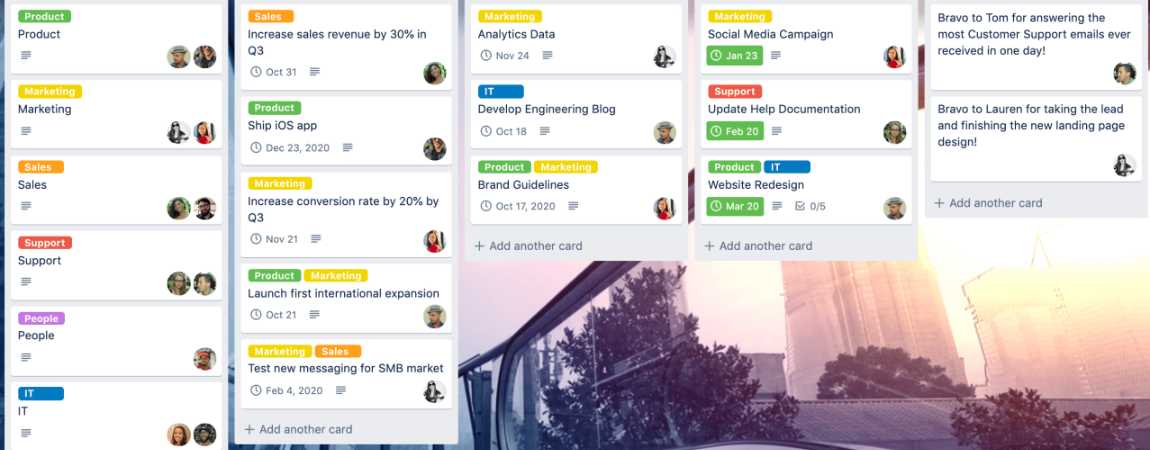
For Kanban, on the other hand, tools such as KanbanFlow are popular for visualising and organising the workflow through visual boards, making it easy to identify and resolve bottlenecks.
Masters relacionados


Agri-food is a strategic sector for both the national and international economies.



A company or organization that anticipates, identifies needs and threats, foresees, and makes strategic and operational decisions based on Comprehensive Risk Management



In ENAE Business School's Official Master in Logistics and Operations Management program, you will learn how to analyse the performance of a company's operation


The Master in International Trade, E-commerce and AI Concentration is designed to prepare professionals to lead international business operations in a global, d
Artículos recomendados
Área
También te podría interesar leer

Supply chains fractured, trade wars escalated, a pandemic rewired sourcing decisions overnight and yet global trade volumes kept climbing. If that sounds contradictory, it is because most conversations about international trade are still using a map…

ENAE Business School has established as an epicenter of innovation and leadership in the incorporation of sustainability and social responsibility in business education. This institution not only imparts these values to its students, but also…

Searching for the best Master's in Artificial Intelligence and ending up more confused than before is not a personal failure, it is a natural response to a market that has multiplied its offer without always clarifying what each program actually…
